Indianapolis, Indiana

Rhinoplasty

Introduction

Introduction to Rhinoplasty

Rhinoplasty is a surgical procedure that Dr. Hamilton can perform to improve facial balance, support better breathing, and enhance self-confidence through changes in the appearance of the nose. It may be done for both cosmetic and functional concerns, including a bump on the bridge of the nose, wide nostrils, a bulbous tip, a “hooked” nose, breathing issues, or deformities related to injury or congenital disabilities.

Located in Carmel and Greenwood, Hamilton Facial Plastic Surgery is led by double-board-certified facial plastic surgeon Mark M. Hamilton, M.D., F.A.C.S., and offers rhinoplasty for men and women in the Indianapolis area, including patients seeking cosmetic refinement, correction of a previous rhinoplasty, or improved nasal function. Below, you can explore the types of rhinoplasty offered, Dr. Hamilton’s qualifications, procedure details, benefits, candidacy, recovery, cost, and how to schedule a consultation.
What is a Rhinoplasty?

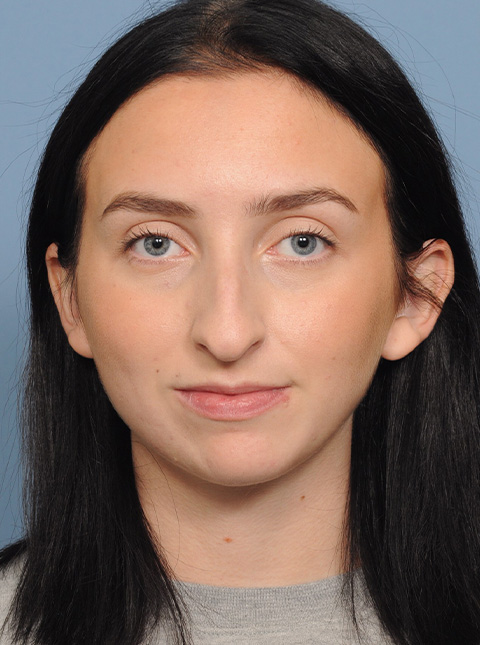
Rhinoplasty, also known as nose surgery, is one of the most common plastic surgery procedures. With rhinoplasty, it is possible to increase or decrease the overall size of the nose, remove a hump, alter the tip or bridge of the nose, decrease the nostril width, or change the angle between the nose and upper lip. These changes can create a better balance between the facial features.

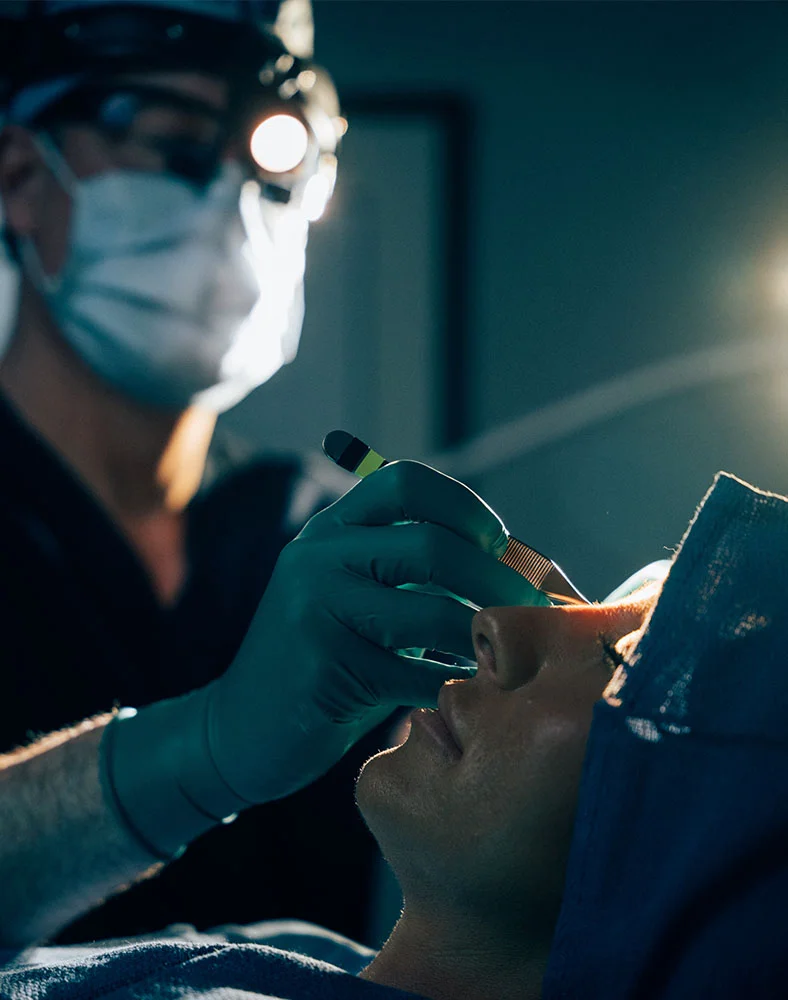
Surgeon Dr. Hamilton, wearing a surgical mask, glasses, and teal-colored gloves, performs a procedure focused on a patient’s eye. The surgeon’s hands hold a surgical instrument near the patient’s face. The patient lies in a surgical position, wearing a gown. Bright, focused lighting highlights the surgical area, while the background is blurred to emphasize the procedure. - Rhinoplasty in Carmel, IN

Dr. Hamilton Discusses Rhinoplasty

Types of
Rhinoplasty

  • Cosmetic Rhinoplasty

    The most common reason Dr. Hamilton performs rhinoplasty is for patients wishing to change the appearance of their nose. This most commonly includes a nose that is too large, a nose with a hump, a wide or asymmetric tip, or a deviated nose. Other issues include a nasal bridge that is too small, a nose that is too long, or a wide nose. Each patient’s anatomy and goals are unique and will require an individualized treatment plan.

  • Revision Rhinoplasty

    A revision rhinoplasty corrects the unsatisfactory results of a previous rhinoplasty procedure. Because revision surgery is often more complex than primary rhinoplasty, it typically costs more. This procedure may address functional or aesthetic issues created or left unresolved after prior surgery, and existing scar tissue can affect planning.

  • Functional Rhinoplasty

    A functional rhinoplasty addresses the basic function of the nose to improve breathing. The can include correcting a deviated septum, shrinking enlarged turbinates or adding structure to the nose to support breathing such as spreader grafts or batten grafts.

  • Non-Surgical Rhinoplasty

    Injections can be done in the office to camouflage an undesired nasal profile. The typically involves injection of a hyaluronic acid filler at the top of the nose to soften the appearance of a nasal hump.

Why Indianapolis Patients Choose Dr. Hamilton for Their Rhinoplasty

  • Dr. Hamilton has dedicated his career exclusively to facial plastic and reconstructive surgery. As an experienced Indianapolis rhinoplasty surgeon, he specializes solely in procedures of the face, head, and neck and has extensive experience performing cosmetic, functional, and revision rhinoplasty for patients seeking natural-looking improvements in both appearance and breathing.
  • Dr. Hamilton has been recognized by Indianapolis Monthly as one of the area’s “Top Docs” for more than a decade and has been named one of Castle Connolly’s “Top Physicians” in America. He is also an active educator, lecturer, and published author in the field of facial plastic surgery.
  • After graduating Phi Beta Kappa from Indiana University School of Medicine, Dr. Hamilton completed his residency in Otolaryngology–Head and Neck Surgery at Saint Louis University before pursuing an advanced fellowship in Facial Plastic Surgery at Indiana University, where he continues to teach future surgeons.
  • Dr. Hamilton is double board certified by the American Board of Otolaryngology–Head and Neck Surgery (ABO-HNS) and the American Board of Facial Plastic and Reconstructive Surgery (ABFPRS). His practice is devoted exclusively to facial plastic and reconstructive surgery, allowing him to provide highly specialized care for every rhinoplasty patient.
  • No two noses (or faces) are alike. Every rhinoplasty begins with a comprehensive consultation, detailed facial analysis, evaluation of your facial anatomy, and discussion of your goals. Dr. Hamilton develops a customized surgical plan that respects your facial proportions while creating natural-looking results that complement your overall appearance.
Close-up of a young woman with long, dark brown hair and light-medium skin, featuring visible freckles. She wears a white tank top and looks slightly downward to the left. Natural sunlight casts soft shadows across her face, highlighting her features and skin texture. - Microdermabrasion in Carmel, IN

Rhinoplasty Quick Facts

  • Surgery Time: Approximately 2–4 hours, depending on the complexity of the procedure.
  • Price: Customized after your consultation based on your surgical plan. A personalized quote will be provided during your consultation.
  • Recovery: Most patients return to non-strenuous daily activities within 1–2 weeks. Swelling continues to improve over several months, with final refinement developing over approximately one year.
  • Results: Initial improvements are visible once the splint is removed, while the final shape gradually emerges as swelling resolves throughout the first year.

What Are the Benefits of Rhinoplasty?

Rhinoplasty is a popular procedure, with many patients electing to undergo this surgery for the following benefits:

  • Changing the overall size or shape of the nose
  • Achieving better facial harmony with the surrounding facial features
  • Improving the basic functionality of the nose
  • Creating a better or preferred aesthetic appearance of the nose

Rhinoplasty Candidates

  • Cosmetic rhinoplasty involves reshaping the nose to fit the face better. This can involve making the nose larger or smaller, taking down a nasal hump, making the tip smaller, or changing the size and shape of the nostrils. What is done during the procedure depends on your anatomy, goals, and your physician’s evaluation. Prospective patients should usually wait until facial growth is complete before having surgery, which is typically around 17 for females and 18 for males.
  • Repairing nasal trauma can involve correcting deformities caused by trauma, injury, or congenital disabilities, and straightening the inside and outside of the nose to improve breathing. Some of the same techniques used in cosmetic nasal surgery are also employed for the correction of nasal and septal fractures.
  • Lastly, nasal surgery can be performed to correct breathing issues.This can include straightening a deviated septum, reducing enlarged turbinates or supporting the nasal structure with grafts such as spreader or batten grafts.

Patient Spotlight

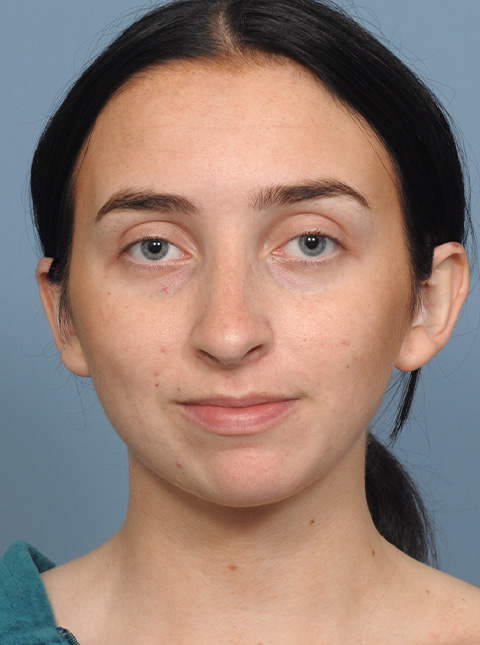
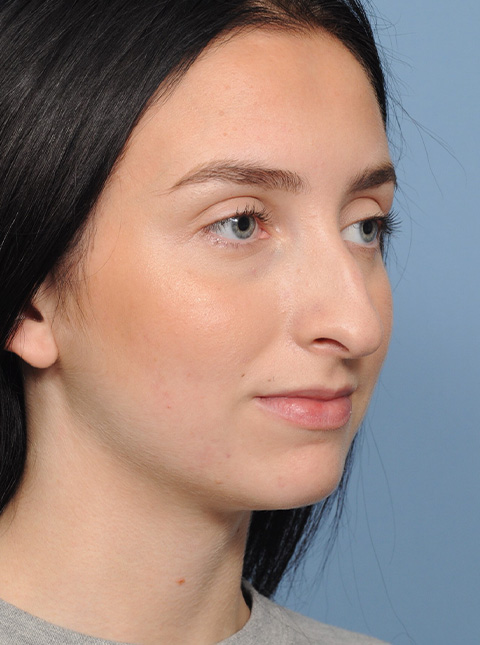
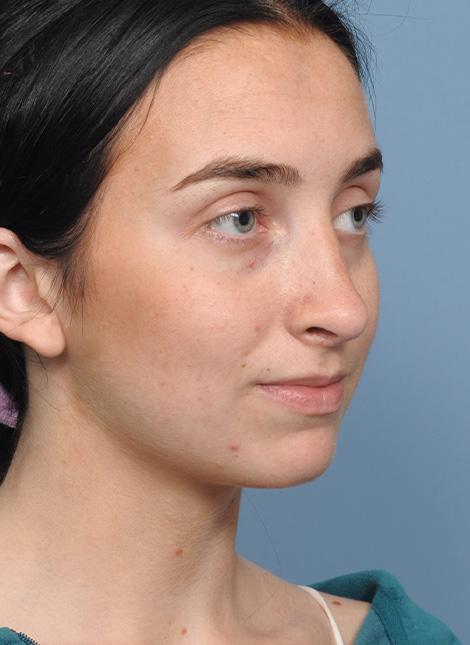
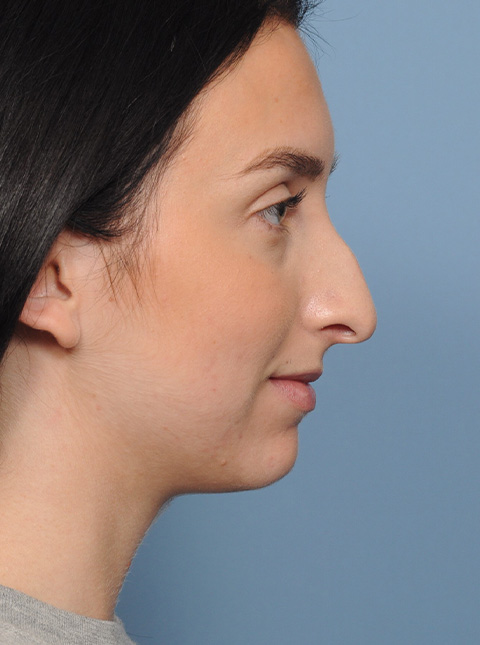
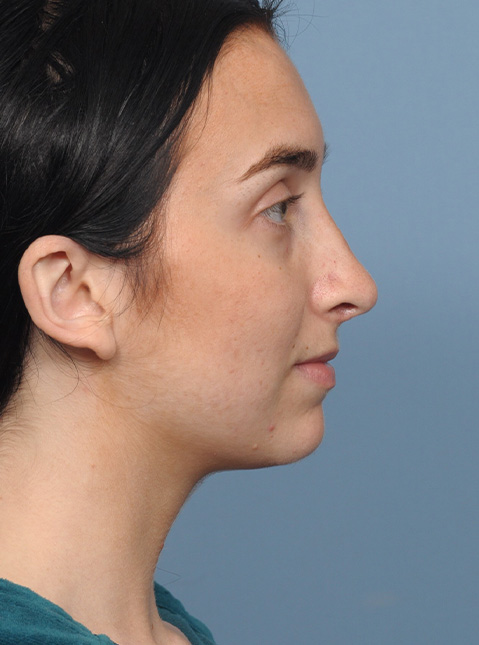
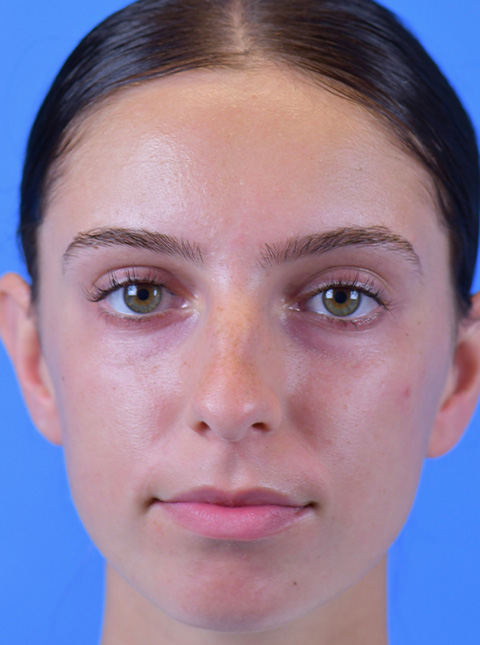
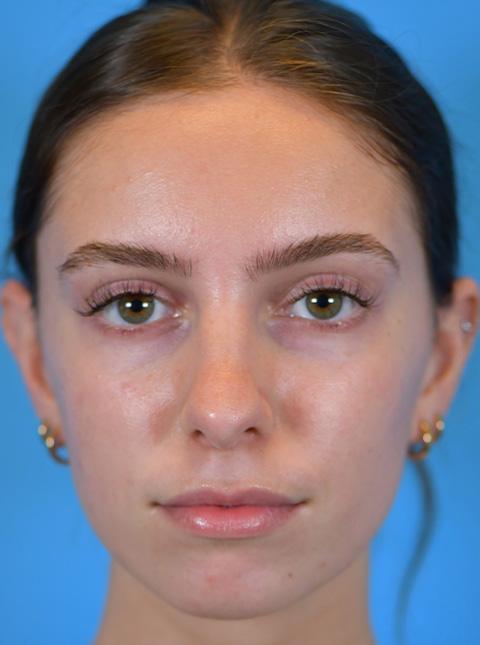
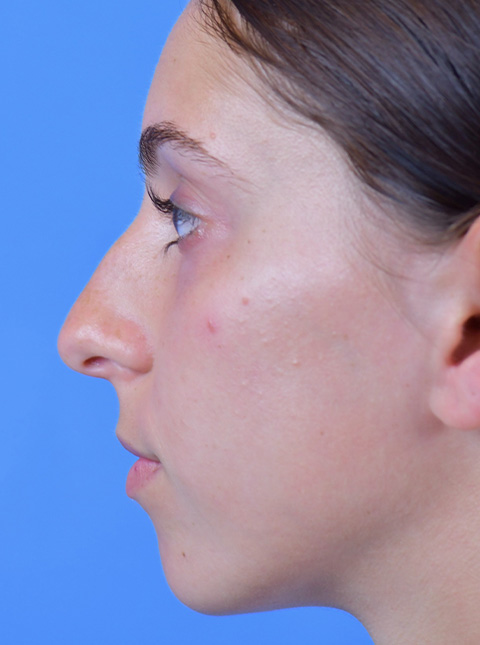
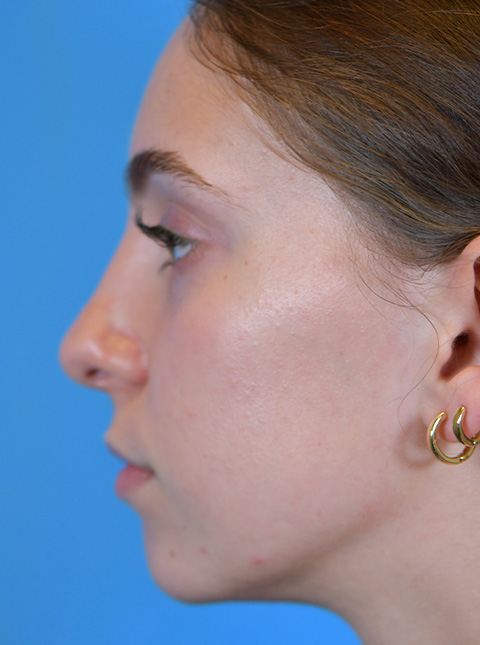
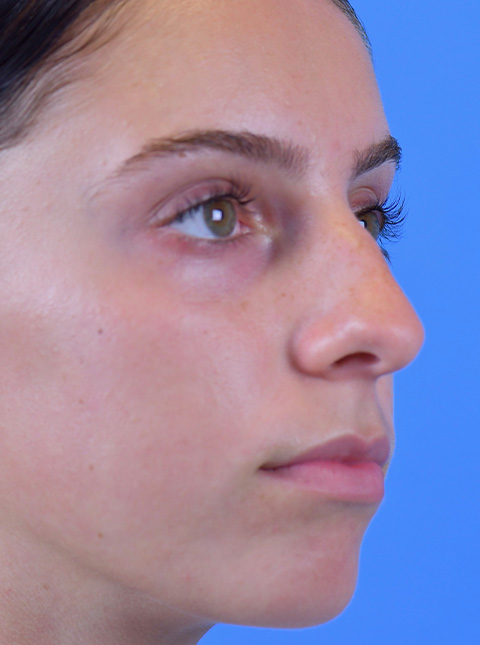
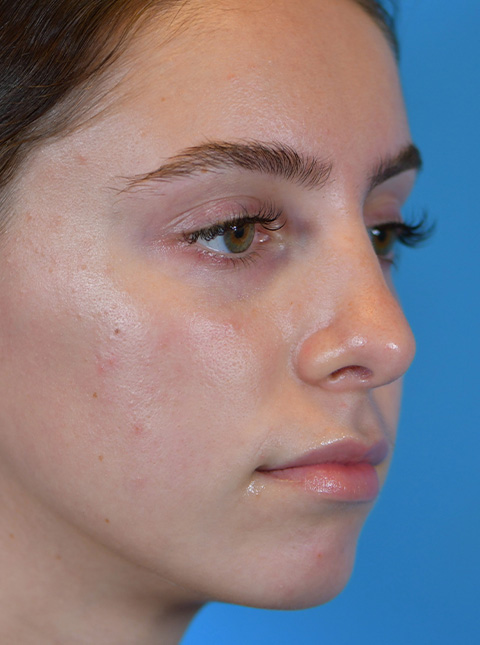
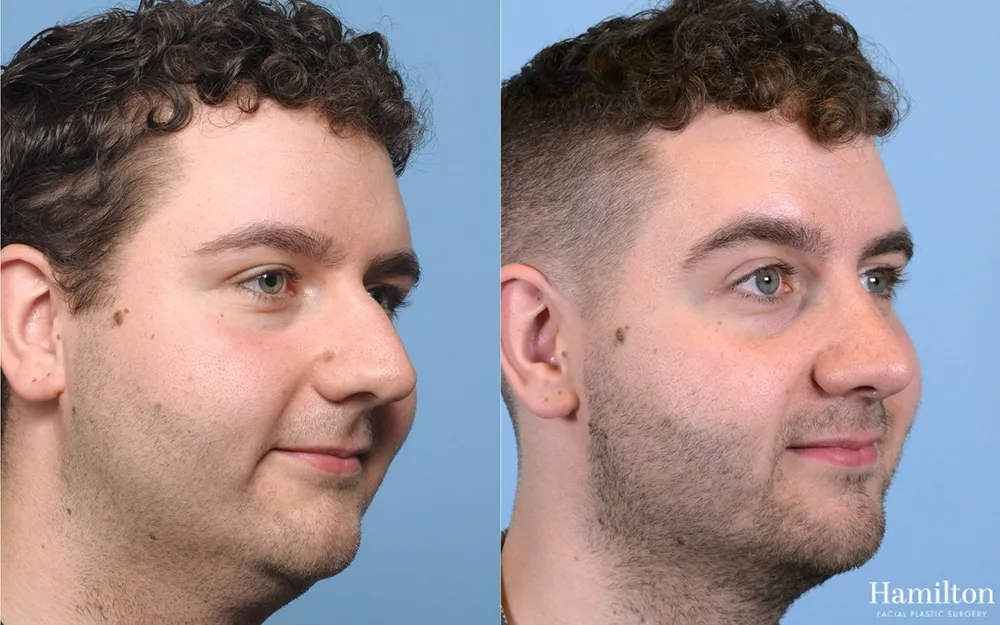
This patient came to Dr. Hamilton ready for a change that had long been on his mind. From the moment he walked through the door, he felt completely comfortable and welcomed, leaving the consultation confident he was in the right hands.

His customized treatment plan included a Rhinoplasty, carefully tailored to his unique features and personal goals, delivering natural-looking results that complemented his appearance beautifully.

The results have been everything he hoped for. As he shared after his follow-up appointments with Dr. Hamilton, “We’re both really happy with the results.”

Let’s Get Started

How to Begin Your Rhinoplasty Journey

Deciding if nasal surgery is right for you begins with a consultation. Video imaging, which utilizes computer photography to estimate the final result, can be very helpful for patients to understand their possible outcome and ensure they are on the same page as their surgeon. With successful nasal surgery, patients can both breathe more easily and achieve the look they’ve always desired, with rhinoplasty results continuing to improve over time.

To learn more about which rhinoplasty procedure will best address your needs, please schedule a consultation with Dr. Hamilton, where he will meet with you to review your medical history, evaluate the need for a rhinoplasty, and determine which type of rhinoplasty procedure you are best suited to undergo. He will show you before-and-after pictures of previous rhinoplasty surgeries so that you can better understand the possibilities and limitations of a rhinoplasty procedure. If you and Dr. Hamilton agree that you would benefit from a rhinoplasty, he will create a detailed and personalized surgical treatment plan for you. With your approval, you may schedule your rhinoplasty procedure later with a member of our patient care team.

first-step2

6 Steps to Prepare for My Rhinoplasty with Dr. Hamilton

  1. Schedule Your Consultation: Meet with Dr. Hamilton to discuss your goals, review your medical history, and determine whether cosmetic, functional, or revision rhinoplasty is the right option for you.
  2. Complete Your Preoperative Instructions: Follow all preoperative guidelines, including any required lab work, medication adjustments, and smoking cessation recommendations to help ensure a safe surgery and smooth recovery.
  3. Arrange Transportation and Assistance: Because rhinoplasty is performed as an outpatient procedure, arrange for a responsible adult to drive you home and stay with you during your first night after surgery.
  4. Prepare Your Recovery Space: Have pillows to keep your head elevated, prescribed medications, gauze, cold compresses, and easy-to-prepare meals ready before surgery.
  5. Avoid Certain Medications: Stop taking medications and supplements that may increase bleeding, such as aspirin, ibuprofen, vitamin E, and certain herbal supplements, as directed by Dr. Hamilton.
  6. Plan for Time Away From Work: Most patients benefit from taking approximately one to two weeks away from work or school to allow bruising and swelling to improve before returning to normal activities.
procedure-what

What to Expect on the Day of Rhinoplasty Surgery

Rhinoplasty is typically done under general anesthesia, so you will not be able to eat 6-8 hours before surgery. Patients will arrive at the surgery center and prepared for surgery. You will be able to meet with your anesthesiologist as well as Dr. Hamilton again before surgery.

Once in the operating room and asleep, Dr, Hamilton will perform your rhinoplasty procedure.
Rhinoplasty incisions may be placed using an open rhinoplasty or closed rhinoplasty approach. In closed rhinoplasty, the surgeon works through internal incisions inside the nostrils; in open rhinoplasty, those cuts are combined with an external incision along the columella. The nasal skin and soft tissue are then carefully elevated from the underlying cartilage and bone so the surgeon can reshape the nose. The approach chosen depends on the patient’s goals, the complexity of the changes, and the nasal structures involved. The skin is re-draped over the new framework, and the incisions are closed. Surgery usually takes about two to four hours and is done on an outpatient basis. Patients will have tape and a splint on the nose for the first week.

Combining Rhinoplasty with Other Procedures

Rhinoplasty is frequently combined with procedures affecting other facial features when needed to create greater facial balance and harmony. Depending on your anatomy and aesthetic goals, Dr. Hamilton may recommend combining rhinoplasty with procedures such as a chin augmentation. Addressing multiple concerns during a single surgical plan can often produce more comprehensive facial rejuvenation while allowing for a single recovery period.

  • Chin Implant

    The relationship between the nose and chin plays a significant role in overall facial balance. In some patients, a chin that lacks projection can make the nose appear larger than it actually is. Combining rhinoplasty with chin augmentation can improve facial proportions and create a stronger, more harmonious profile without requiring more extensive changes to the nose itself. During your consultation, Dr. Hamilton will evaluate your facial structure and determine whether a chin implant would enhance your overall result.

  • Blepharoplasty (Eyelid Surgery)

    The eyes and nose are two of the most prominent features of the face. Combining rhinoplasty with upper or lower eyelid surgery can create a more balanced overall appearance by refining the nose and rejuvenating the eye area at the same time. Addressing both concerns during a single surgical plan may also allow patients to complete one recovery period instead of two separate procedures.

Rhinoplasty Recovery / After Rhinoplasty

There are some restrictions after nasal surgery. Patients are required to refrain from strenuous activities for two weeks and heavy lifting for three weeks. Additionally, patients should refrain from participating in any contact sports or activities that may cause trauma to the nose for six weeks. Although much of the improvement is visible within the first few weeks, subtle refinements continue as swelling gradually resolves over the first year.

Nasal congestion and bruising are common early after surgery.

Post-Operative Rhinoplasty Instructions

The following is a list of general instructions for your care following surgery. Please read them carefully several times, as most of your questions should be answered here. Instructions for your care will also be reviewed the morning after surgery. Carefully following these instructions should help you get the best results from your surgery.

Dr. Hamilton Discusses Rhinoplasty Recovery & Results

After Surgery

Following your surgery, another adult must stay with you the first night. You should remain within thirty miles of the surgery location for the first night. It is also important for you to keep your head elevated the evening after surgery and for the first two weeks following surgery. This can be achieved by sleeping in a recliner tilted at a 45-degree angle or by placing two pillows underneath your head. Avoid rolling onto your face. Sleeping on your back for the first two weeks after surgery helps to ensure this.

Cool compresses should be applied across the eyes for the first 48 hours after surgery. This involves using multiple washcloths and a basin filled with ice water. The washcloths should be changed out of the basins every twenty to thirty minutes to keep them cool. The washcloths should be applied diagonally over each eye and crisscrossed over the forehead. The nurse will demonstrate how to do this before you leave recovery.

Daily Care

This care will be reviewed the morning following your surgery:

  1. Go over suture lines inside the nose three times daily with hydrogen peroxide on a Q-tip. After this, apply a liberal amount of Vaseline ointment again with a Q-tip. The stitches inside the nose are dissolvable, and keeping them lubricated helps quicken the process.
  2. You may shower the second day following surgery, but keeping the tape and splint on your nose dry at all times is important. Baths are a better choice for most people. Be sure to use a gentle shampoo such as Johnson’s Baby Shampoo.
  3. Be sure to immediately report any signs of bleeding that persist for more than ten minutes, infection, redness, fever, unusual drainage, or pain.
  4. Stitches, if present, will be removed on the seventh day after surgery.
  5. After the tape and splint are removed, gently wash your nose twice a day for a few days to help reduce oiliness.

What to Expect

  • Swelling: Swelling will vary from patient to patient. Swelling may actually increase the first three to four days before subsiding. When your splint is removed at the one-week point, your nose may appear fat and turned up too much- this is to be expected. Most of your swelling should resolve over the first two to three weeks. You can expect, however, to experience minor fluctuations in the remaining swelling over the next two to three months. To minimize swelling, follow these steps: keep your head elevated as much as possible for the first two to three weeks, avoid bending over or heavy lifting for the first three weeks, and limit prolonged sun exposure for the first two to three months.
  • Discoloration: Bruising, like swelling, will vary from person to person. Most bruising and discoloration should resolve over the first two weeks. With Dr. Hamilton’s permission, makeup can be applied 10 to 14 days after surgery.
  • Numbness: Your nose will be numb following surgery. This is normal and will subside over the coming weeks to months. Unusual sensations, pins and needles, and occasionally mild discomfort may occur as these nerves regenerate over time.
  •  Bleeding: If bleeding does occur, lie down with your head elevated. Try to relax. You may take a pain pill or a Valium. Place cool compresses over your eyes just as you did after surgery. You may apply light pressure to the side of each of your noses. Wait 15 minutes. If bleeding persists, please contact our office.
  • Depression: It is not uncommon for patients to go through a period of mild depression after cosmetic surgery. This typically occurs the second week after surgery, while some of the swelling and bruising persists, yet the patient is anxious to see a final result. Realize this is a temporary condition, and things will improve. Focus on diligently following wound care, as well as other activities, to help divert your mind.
  • Eyeglasses: Eyeglasses may be worn with the splint in place. Once the splint is removed, they should be either suspended from the forehead or supported on the cheek for six weeks. This is critical—pressure on the nose may change its final shape. Contact lenses may be inserted the week after surgery.

Restrictions

  1. No strenuous exercise for at least two weeks.
  2. No heavy lifting for three weeks.
  3. No pullover clothing for two weeks.
  4. Avoid hard chewing foods for two weeks.
  5. Avoid yawning or opening your mouth wide for two weeks.
  6. Avoid blowing your nose or sniffing through your nose for two weeks.
  7. Use a baby toothbrush on the upper teeth for two weeks following surgery.
  8. If you sneeze, do so with your mouth open for two weeks.
  9. No driving for one week, preferably two weeks, after surgery.
  10. No contact sports for six weeks.

Finally

The healing time for nasal surgery is often less than expected, and the results are worth the wait. While swelling should be completely gone after four to six weeks, your healing will continue for the entire first year. Dr. Hamilton will follow you through this entire process, but be patient. Please do not hesitate to contact our office.

How Much Does Rhinoplasty Cost in Indianapolis, IN?

procedure-cost

The cost of Rhinoplasty in Indianapolis will depend on the extent of treatment required, the type of rhinoplasty procedure selected, and facility fees.

Why Choose Dr. Hamilton?

Dr. Mark Hamilton, F.A.C.S., is a double board-certified facial plastic and reconstructive surgeon specializing exclusively in surgery of the face, head, and neck. As a recognized leader and one of the top physicians in America in his field, Dr. Hamilton has authored multiple publications and lectured widely to his colleagues on all aspects of facial plastic surgery.  Dr. Hamilton has been selected by his peers as one of Indianapolis Monthly Magazine’s “Top Docs” annually for over a decade and has been recognized by Castle Connolly as one of the “Top Physicians” in America for his work in Facial Plastic and Reconstructive Surgery. He is actively involved in resident teaching at the IU School of Medicine and serves as a clinical assistant professor there. 

Dr. Hamilton graduated Phi Beta Kappa from Indiana University and received his MD degree.  He received a merit-based scholarship during his medical school years and was recognized nationally for his research.  He completed his Otolaryngology-Head and Neck Surgery residency at Saint Louis University and followed this with a fellowship in Facial Plastic Surgery at Indiana University.  Dr. Hamilton is board certified by both the American Board of Otolaryngology-Head and Neck Surgery (ABO-HNS) and the American Board of Facial Plastic and Reconstructive Surgery (ABFPRS), and is affiliated with the American Academy of Facial Plastic and Reconstructive Surgery (AAFPRS), the American Academy of Otolaryngology-Head and Neck Surgery (AAO-HNS), the American College of Surgeons (ACS), the American Medical Association (AMA), the International Society of Hair Restoration Surgeons (ISHRS), and the American Society of Laser Medicine and Surgery (ASLMS). He recertified in Facial Plastic Surgery in 2019 and received the highest score in the nation on the written exam.

Questions to ask before Rhinoplasty Surgery

Rhinoplasty FAQ’S

  • Enjoy the friendly, professional, knowledgeable staff at Hamilton Facial Plastic Surgery.

    Dr Hamilton and his staff are the best of the best. I’ve loved my experience and recommend them to whoever I can!

  • All personnel very kind and considerate.

    All personnel very kind and considerate.

    Dr Hamilton extremely informative and forth right. I was recommended to this practice and would highly recommend the same to others.

  • I highly recommend Dr. Hamilton and his staff.

    The staff is professional and highly knowledgeable. I leave the office feeling fully informed. I feel confident in both Dr. Hamilton and the staff’s abilities. I highly recommend Dr. Hamilton and his staff.

Schedule Your Consultation

A rhinoplasty consultation with an experienced and board-certified plastic surgeon is necessary to ensure you make the best decision for your face. To schedule a consultation with Dr. Hamilton in Indianapolis, please contact either of the Hamilton Facial Plastic Surgery locations serving the Indianapolis area. You may call us at 317-614-0639 (Carmel) or 317-210-4339 (Greenwood), or please complete our online booking form.

View Results
Call Email Results