
Otoplasty (Ear Surgery) in Indianapolis, Indiana
Do you suffer from social anxiety due to overly large or protruding ears? Located in Carmel and Greenwood, Hamilton Facial Plastic Surgery, led by double board-certified facial plastic surgeon Mark M. Hamilton, M.D., F.A.C.S., offers otoplasty for men and women who live in and around Indianapolis, Indiana to correct deformed ears.
What is Otoplasty?
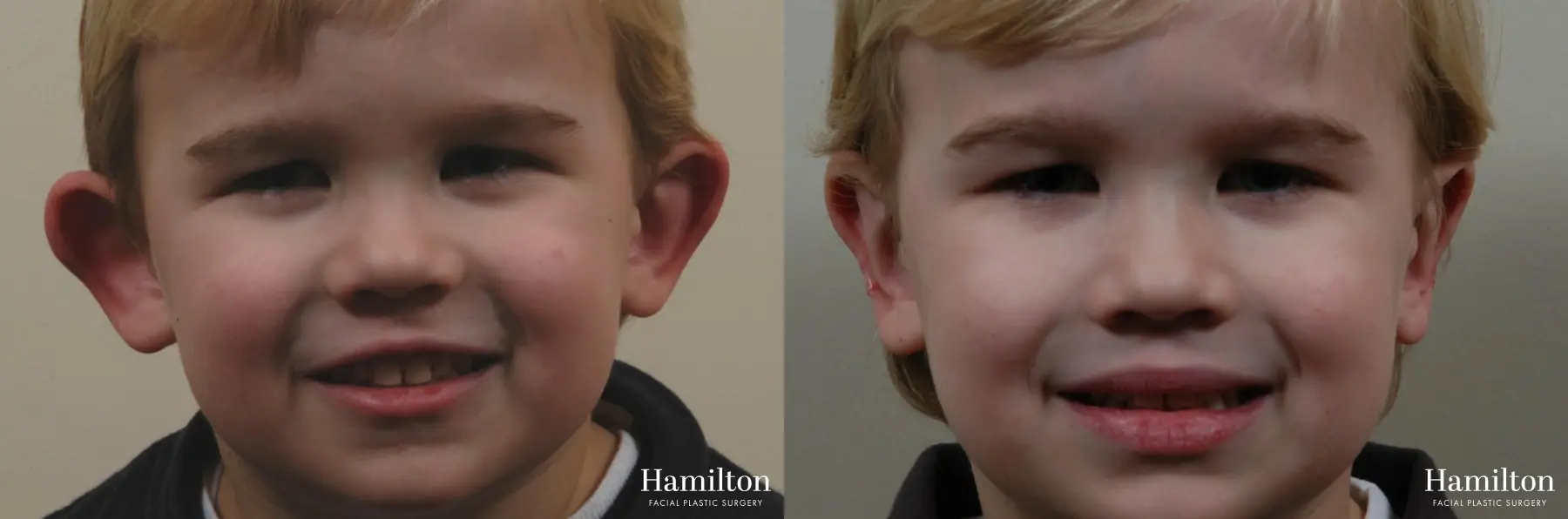
Otoplasty is surgery of the ears, a procedure able to pin back protruding ears, reduce large ears, create symmetry between the ears or otherwise reshape the ears. Children who are 4 to 14 years old are the most common patients for this procedure though the surgery can also be performed at older ages.
How Much Does Otoplasty Cost in Indianapolis, Indiana?
Hamilton Facial Plastic Surgery seeks to make facial surgery procedures available and affordable for everyone. To accomplish this, we accept cash, major credit cards and personal checks for otoplasty.
Benefits of Otoplasty
Otoplasty, or ear surgery as it is more commonly known, is a plastic surgery procedure designed to improve the appearance of the ears. Surgery can be performed to pin back protruding ears, reduce the size of large ears, make the ears more symmetrical or otherwise reshape the ears.
How Do I Know If I’m A Good Candidate for Otoplasty?
If you are physically healthy, realistic in your expectations and seeking an improvement in the appearance of your ears, you may be a good candidate for otoplasty. While otoplasty can be performed on children and adults alike, it is often recommended that the surgery is performed early on, as early as age four, to spare children the teasing that can occur with large or protruding ears.
At What Age Can Otoplasty Be Performed?
Otoplasty can be performed as early as age four, and it is often recommended in younger patients as the cartilage is more pliable and the surgery can help spare children the teasing that may accompany large or protruding ears.
What Will Happen During A Consultation For Otoplasty?
During your consultation, Dr. Hamilton will talk to you about your goals and what you dislike about your ears. A thorough medical history will be taken, and the ears will be examined. Dr. Hamilton will recommend the most effective technique and discuss all aspects of the surgery, including the facility, anesthesia, recovery, risks and associated costs. Photographs may also be taken of the ears at the time of consultation.
What Type Of Anesthesia Will I Receive For My Otoplasty Procedure?
Younger patients often receive general anesthesia for the otoplasty procedure, while adults and older children may receive local anesthesia and sedation.
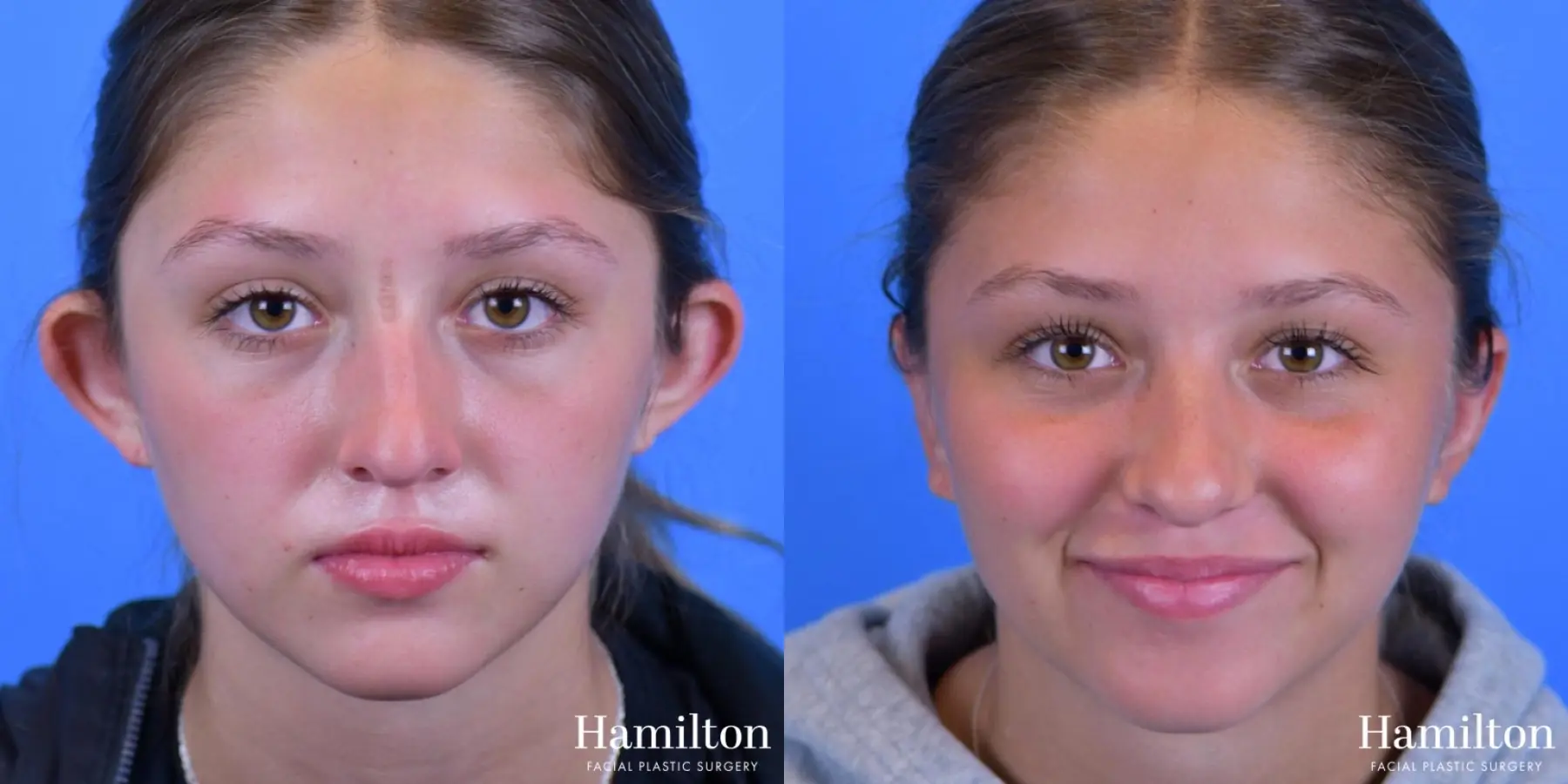
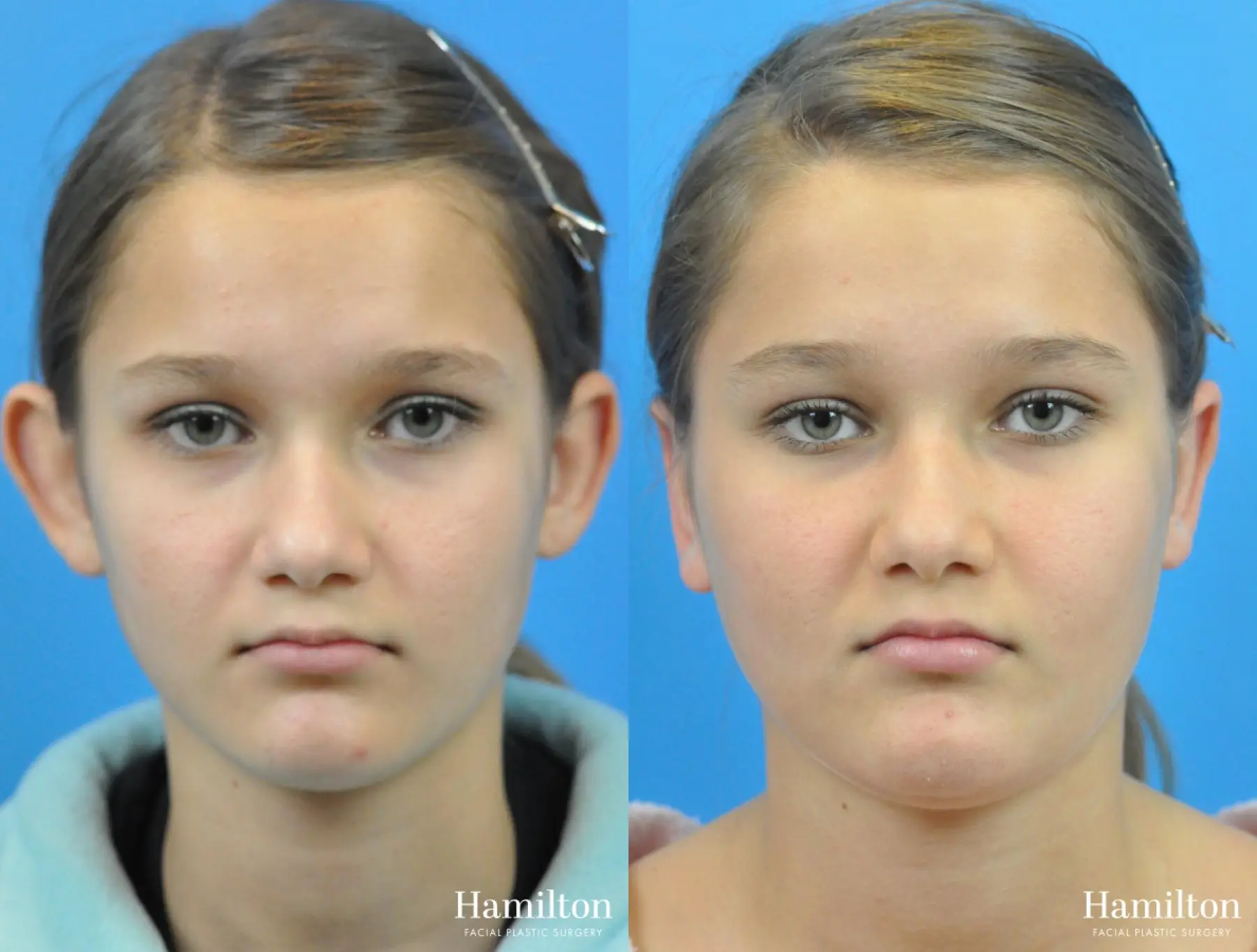
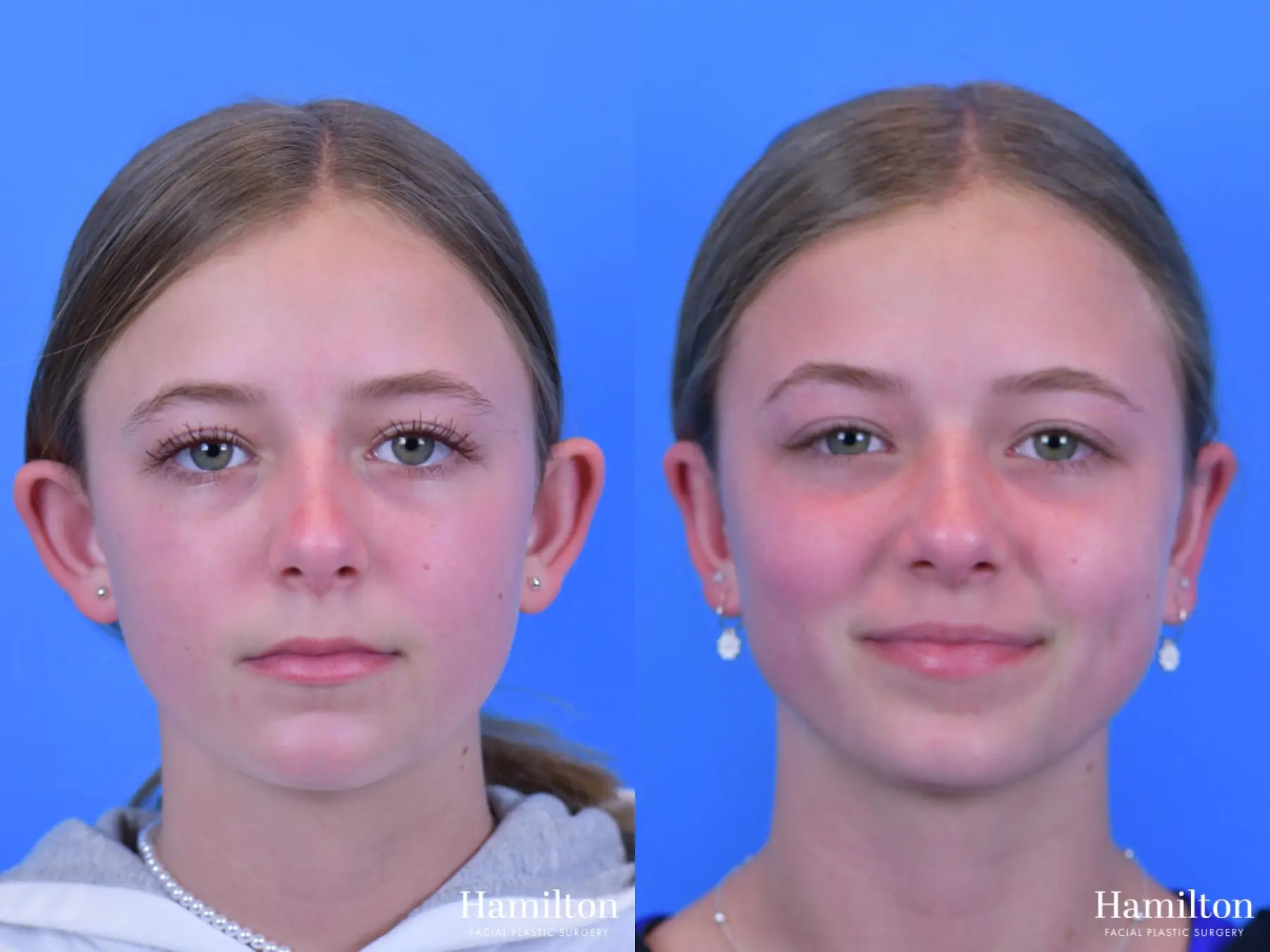
Before and After Pictures
How Is The Otoplasty Surgery Performed?
Otoplasty surgery begins by making incisions which are usually located in the back of the ears. Several different techniques may be used to change the appearance of the ears. The cartilage may be sculpted and bent back toward the head with non-removable stitches used to secure the new shape if necessary. A larger piece of cartilage may be removed in order to achieve a more natural-looking fold. In some cases, the surgeon may not remove any cartilage but will fold the cartilage back on itself instead and then use stitches to reshape the ear. Both ears are usually operated on to achieve the best symmetry. A bulky bandage may be applied to the head once the surgery is finished.
How Long Is The Surgery For Otoplasty?
The average surgery time for otoplasty is about two to three hours.
Where Are The Incisions Located For Otoplasty?
The incisions for otoplasty are often located in the back of the ears.
Will I Have Scars After My Otoplasty Procedure?
The incisions made for otoplasty will result in scars, though they tend to be small and well concealed in the back of the ears.
What Should I Expect Of The Recovery After My Otoplasty Procedure?
After otoplasty surgery, a bulky bandage may be applied to the ears which can remain in place for several days. After that time, the bandage will likely be replaced by a lighter head dressing.
How Much Time Should I Plan To Take Off From Work After My Otoplasty Procedure?
It will take an average of five to seven days before work, school, and other normal activities can be resumed and one to two months before resuming more strenuous activities and contact sports.
How Soon After My Otoplasty Procedure Will I Be Able To Exercise?
Any strenuous exercise, including contact sports, should be postponed for one to two months. Patients should be sure to avoid activities which may bend the ear for at least a month.
When Will The Stitches Be Removed After My Otoplasty Surgery?
The stitches will be removed in about a week following surgery.
Will My Otoplasty Surgery Be Covered By Insurance?
Otoplasty is occasionally covered by insurance, and patients should be sure to check with their own insurance carrier.
Post Operative Otoplasty Instructions
Introduction
The following is a list of general instructions for your care following your Otoplasty. Please read them carefully several times as most of your questions should be answered here. Carefully following these instructions should help you get the best results from your procedure.
Daily Care
What to expect
Restrictions
- No strenuous exercise for at least two weeks.
- No heavy lifting for three weeks.
- No “pull-over” clothing for two weeks.
- Avoid hard chewing foods for two weeks.
- No contact sports for six weeks.
Finally
The healing time for ear surgery is often less than expected and the results are worth the wait. While swelling should be completely gone after four to six weeks, your healing will continue for the entire first year. I will follow you through this entire process, but be patient.
Please do not hesitate to ever contact our office.
Mark M. Hamilton, M.D., F.A.C.S., is recognized as one of the top physicians in America for facial plastic and reconstructive surgery. As a double board-certified plastic surgeon, specializing solely in cosmetic facial procedures, Dr. Hamilton provides his Indianapolis patients with exceptional skills and results that last. For more information on otoplasty or to schedule a private consultation at Dr. Hamilton’s Carmel or Greenwood office, please contact us.