What Causes Facial Aging?
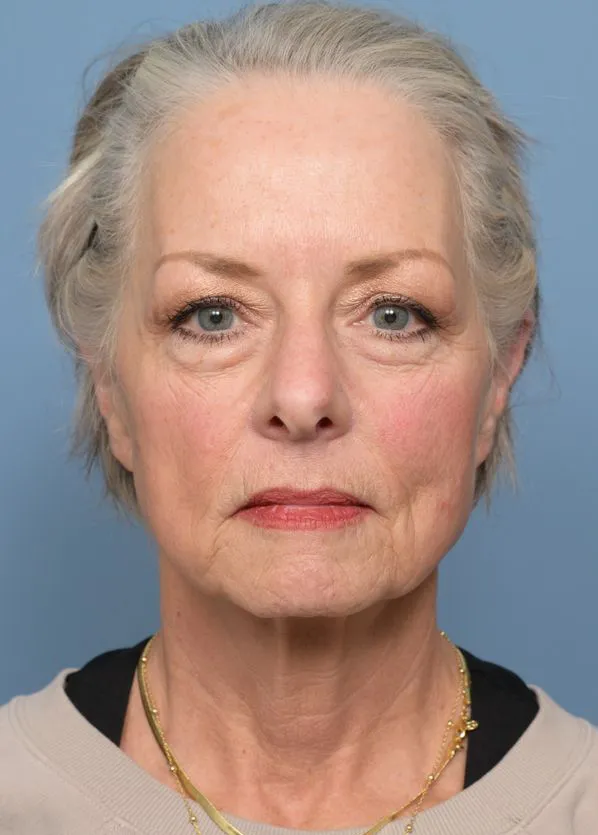
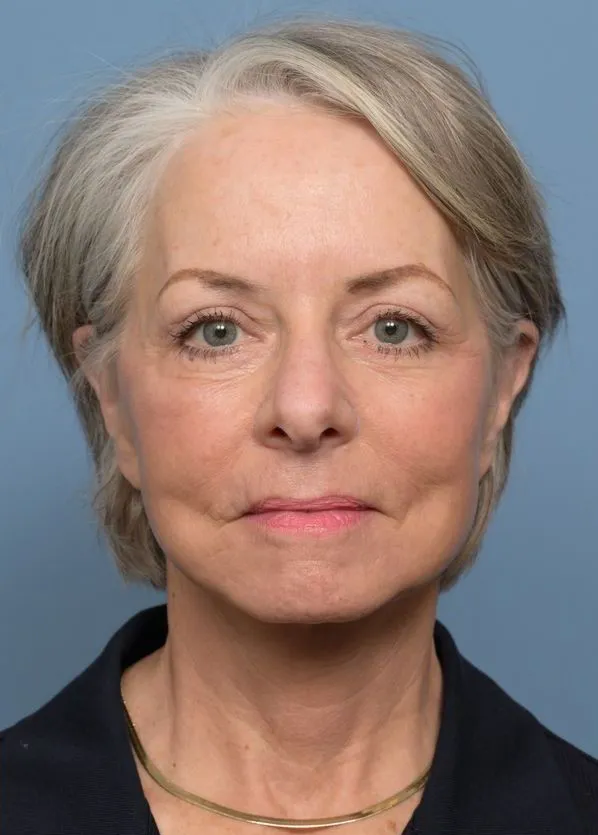
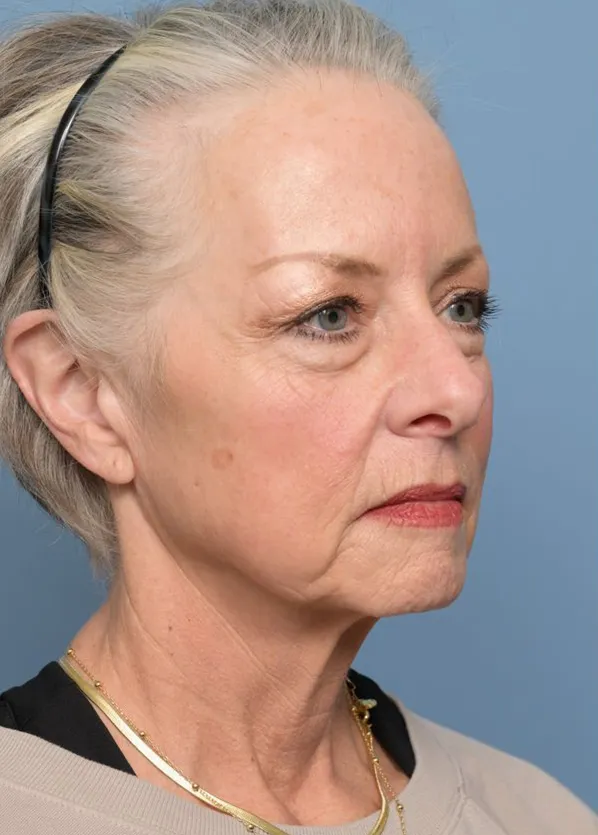
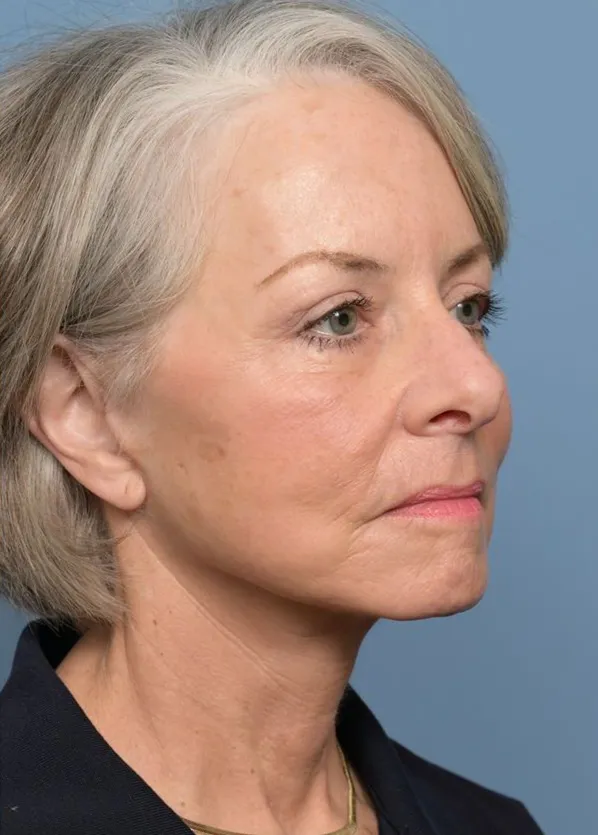
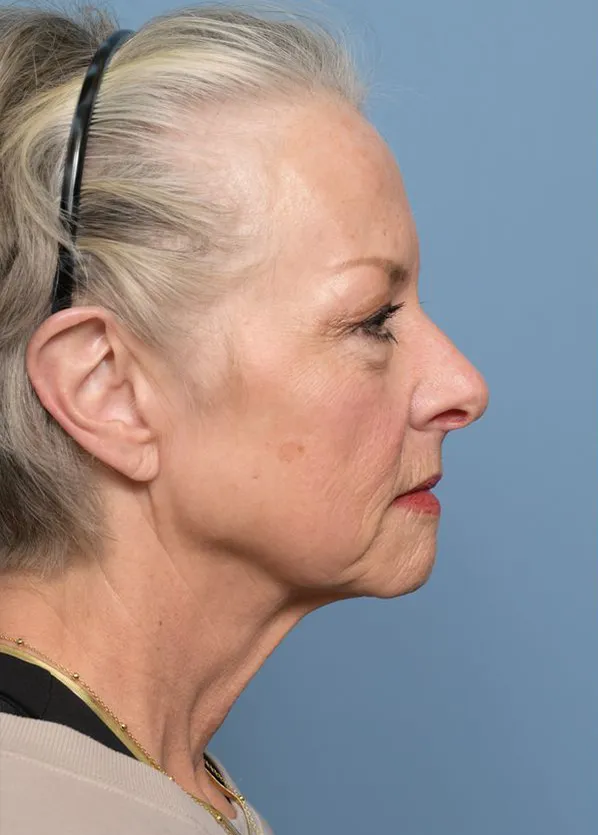
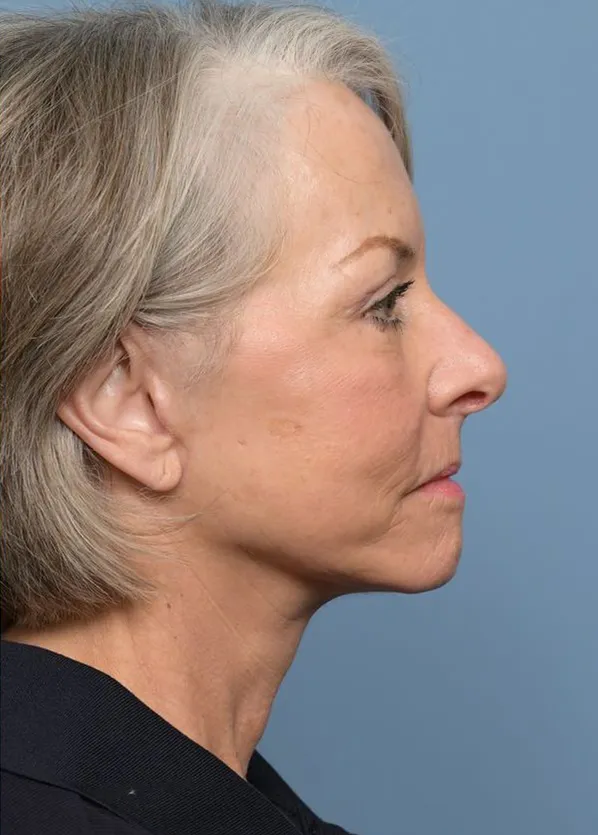
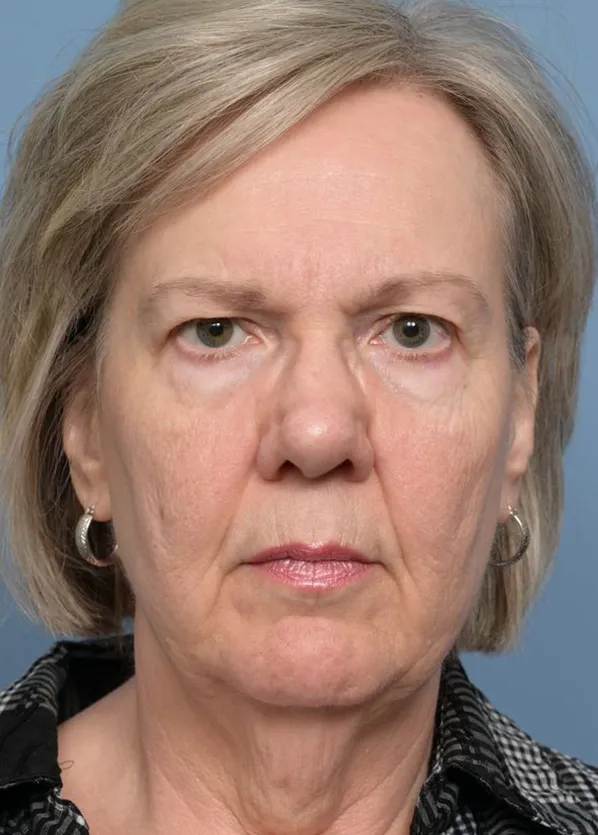
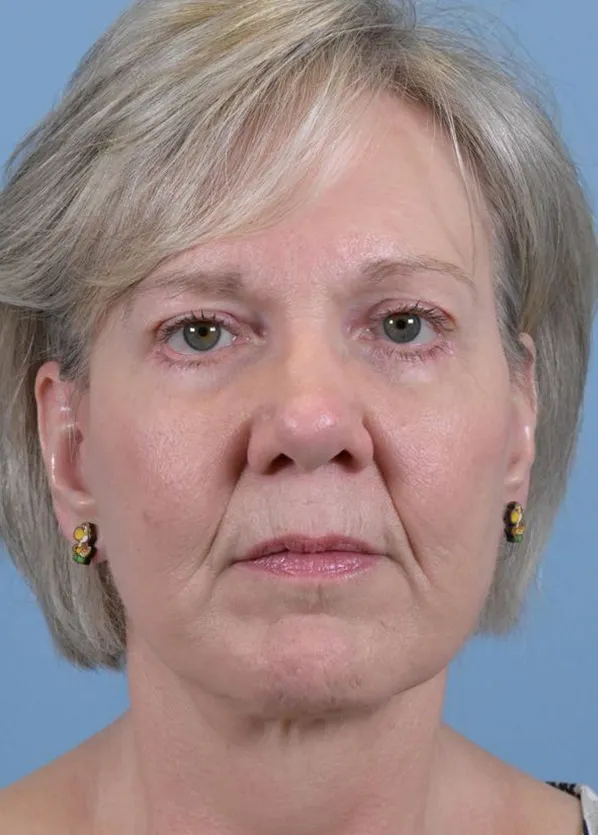
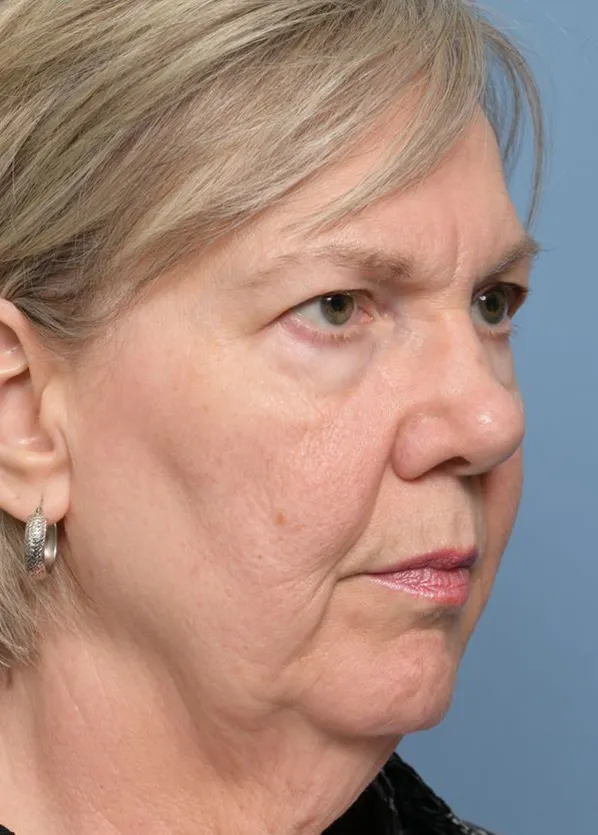
Facial aging is a gradual process that affects every layer of the face. Over time, collagen and elastin production slow, making the skin thinner, less elastic, and more prone to wrinkles. At the same time, the deeper support structures begin to change. Fat that once provided youthful fullness gradually diminishes or shifts downward, facial ligaments loosen, and subtle changes in muscle activity occur that alter our appearance. In addition, resorption and other changes in the underlying facial bones alter the way the soft tissues are supported. An important concept is that facial aging involves all of the layers of the face, head, and neck- skin, fat, muscle, and bone.
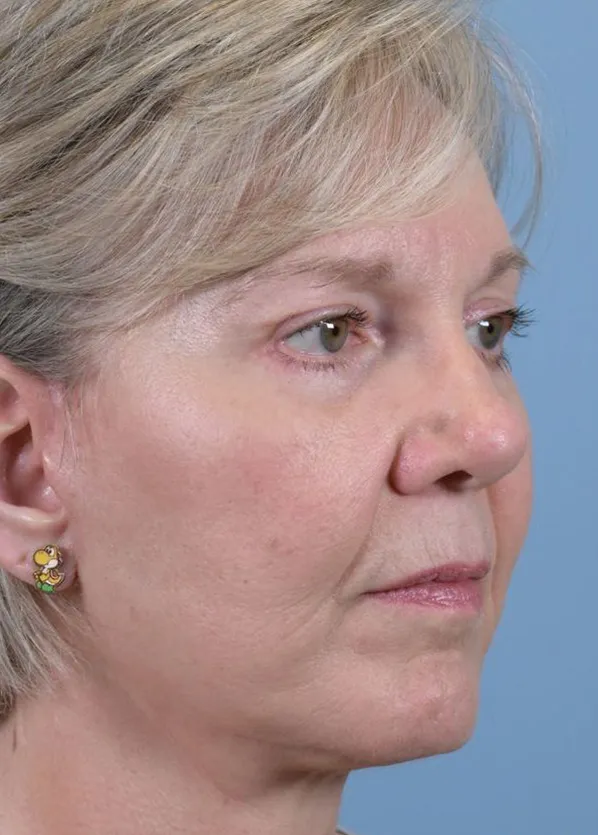
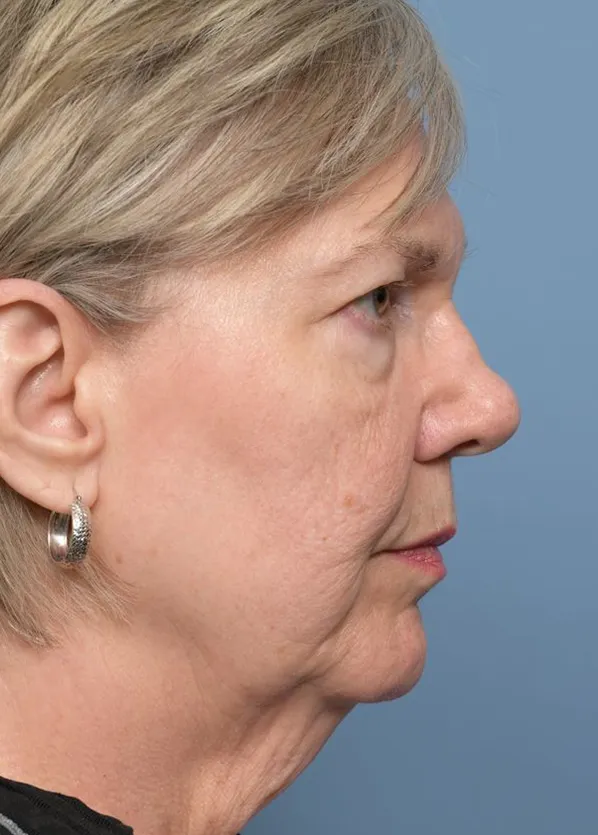
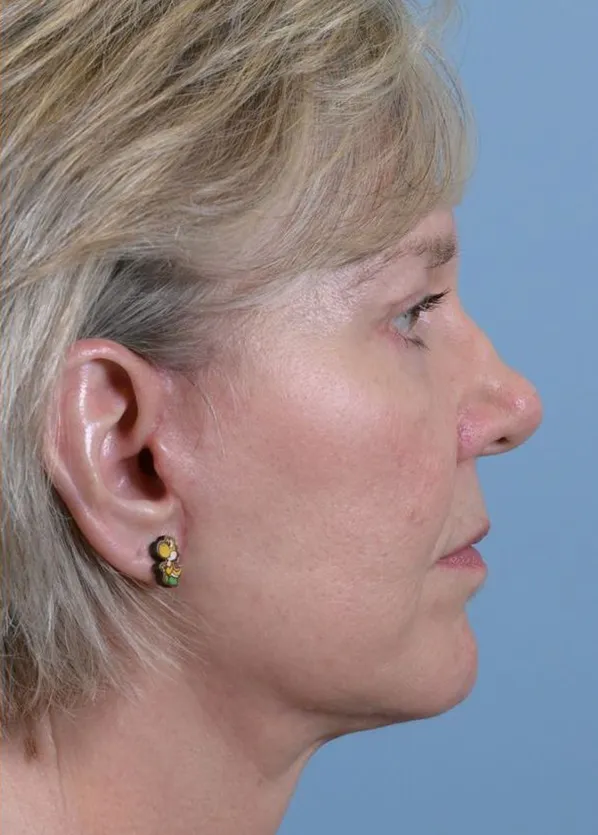
These changes rarely occur in just one area. The forehead may begin to show lines, creating heavy brows and upper eyelid hooding. Volume loss in the cheeks can make the eyes appear more tired, while sagging tissues contribute to jowls, a softer jawline, and changes in the neck. Years of sun exposure can further affect skin texture, pigmentation, and fine lines.
Because facial aging involves the skin, soft tissue, facial volume, and structural support simultaneously, addressing only one concern may leave other age-related changes untreated. Understanding how these changes work together is the foundation of Dr. Hamilton’s comprehensive approach to facial rejuvenation.