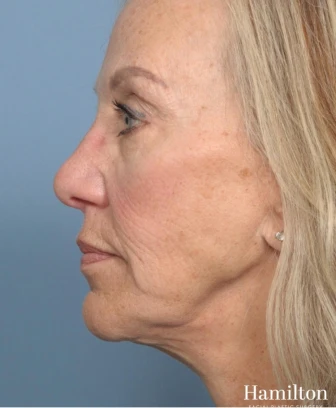
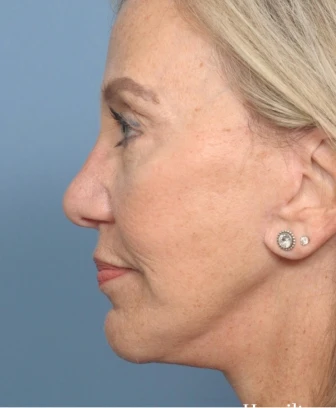
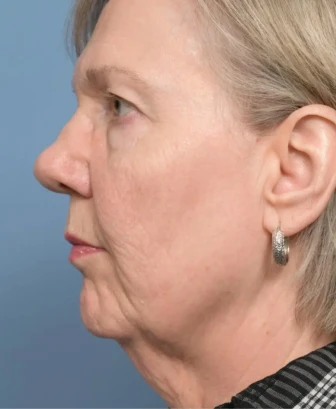
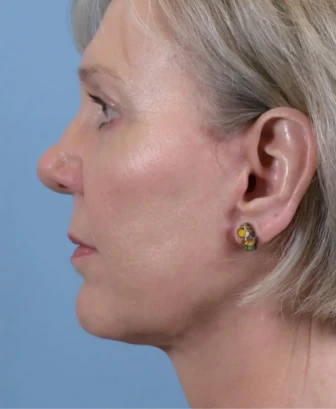
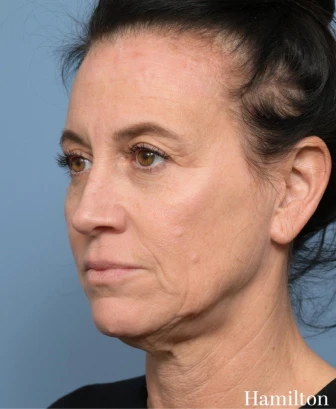
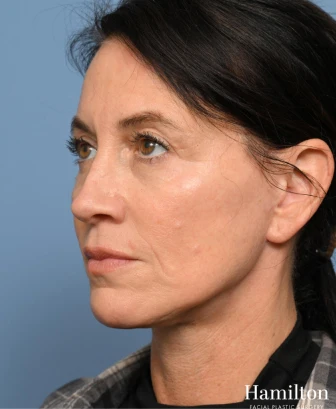
The latest trend and buzz word for facelifts is “deep plane”. There are many advantages to the deep plane, but that does not mean it is the best for everyone. Here is a brief review of some of the main facelift techniques, what they do and who are good candidates.
FACEtite is a minimally invasive procedure done in a procedure room under local anesthesia. This is ideal for those who are younger (30s and 40s) who do not want surgery. The procedure is done through three small (less than half a centimeter/quarter of an inch) incisions, so much less work than […]
Ask anyone who’s had a facelift about why they did it, and their answers are as unique as the individual. As you consider this solution, think about your motivation and expectations. It’s important that you already feel good about yourself – that you just want to improve your self-image, refresh your face. While you can expect positive results, don’t expect to look like your favorite movie star. Instead, embrace the star within you that a facelift can help reveal again.
Aging is a natural part of life, and the loss of youthful contours in the face can be due to a […]
Have you started to notice looser skin around your neck and chin, maybe even your lower cheeks? Or possibly, your neck isn’t as defined as it once was. You would like options for toning and tightening, but plastic surgery – like a facelift – feels overwhelming.
A non-surgical option does exist and has been honed over the past decade to achieve many of the benefits of a facelift but without the recovery time and potential risk that can come with surgery. The procedure, known as FaceTite™, is a non-surgical facelift alternative that uses minimally invasive radio-frequency (RF) energy to tighten skin […]
The history of barbed sutures (threadlifts, PDO threads) has been disappointing. The newest generation has promised increased safety and longer duration. Unfortunately, a recent study in the Aesthetic Surgery Journal shows otherwise.
The study followed 160 patients who underwent facelifts with barbed PDO threads. The good news is all patients did see some improvement initially as well as at one month. Unfortunately, by 6 months the benefits had markedly declined. No patients had any improvement by one year.
In addition, the threads had a high rate of complications, with over 34 % experiencing at least one serious side effect. Superficial displacement of […]
While we are still looking for a credible non-surgical alternative to a facelift, there have been several technical advances in the past 5 years that have improved your options. That being said, most patients will need to consider undergoing more than one kind of treatment to get results anywhere near comparable to a facelift. Below we have listed some of the most popular and effective non-surgical facelift alternatives.
RF Microneedling
Fractional radiofrequency (RF) microneedling is a cutting-edge skin rejuvenation technique that we have previously discussed in our blogs. It involves combining tiny needles (microneedles) with RF energy to tighten and add volume […]
One of the most common questions I am asked during facelift consultations is about how painful the procedure is. With the incisions, liposuction and skin removal, many patients are concerned they will experience a great deal of discomfort during the recovery process. While a facelift is an invasive procedure, patients are often pleasantly surprised with the relatively mild discomfort that they experience after surgery.
What to Expect During Recovery
After a facelift procedure, the patient will be numb throughout the lower face and neck. This greatly reduces the pain. That is not to say there is no discomfort, however. Many patients complain […]
FaceTite is a new procedure that delivers powerful results. The treatment provides results that are as close to the results of a facelift as you can get — without surgery. FaceTite uses minimally invasive radio-frequency energy to melt fat and tighten skin. Unlike other tightening devices, FaceTite utilizes cannulas (small tubes) placed under the skin allowing delivery of energy and thus tightening areas not possible with other devices. Peer reviewed studies have shown up to 36% contraction of skin with just one treatment.
FaceTite is performed by Dr. Hamilton at our north side location. Procedures are performed under local anesthesia. Some […]
“So, how do you perform your facelift?”
Many patients who are well read on facelift procedures will ask this question. They have heard such terms as lifestyle lift, quick lift, deep place facelift and composite rhytidectomy. Many of these terms are marketing terms with limited real meaning, yet others are important surgical techniques. Asking how a plastic surgeon performs a facelift is a very valid question that can be critical to a patient’s results and their longevity. Please note this blog post is really geared for those looking for more information and is probably too technical for most. The basics of […]
Science, as well as the reflection in the mirror show us that facial changes take place over the years. Rearrangements of underlying structures have been occurring behind the scenes while we sleep and engage in our daily activities. Scientists and physicians have proven that there is significant facial bone, fat and collagen depletion during the aging process. This volume loss is resulted by sagging facial skin, hallows under the eyes, folds from the nose to the corner of the mouth, a turned down mouth, lines that extend from the corner of the mouth to the chin that look like a […]
I have had more and more patients asking me if they can have their facelift under local. While I do perform many procedures (including facelifts) under local, this trend has surprised me. Maybe it is due to the many advertisements for such procedures such as Lifestyle Lift, Sono Bello Lift, Biltmore Lift, Quicklift and many other latest, greatest trademarked procedures. Whatever the reason, I think it is important to keep a few things in mind.
First, general anesthesia is very safe for most patients. Over the past several decades, innovation and training have greatly improved anesthesia. I often hear anesthesiologist tell […]